VTU Platform vs Bank: Which Is Better for Buying Data, Airtime & Electricity in Nigeria?
In Nigeria’s fast-evolving digital payments space, many users often ask an important question: which is better for buying data, airtime, and electricity tokens, VTU platforms or banks? Both options offer convenience, but they serve different needs depending on usage, pricing, and reliability.
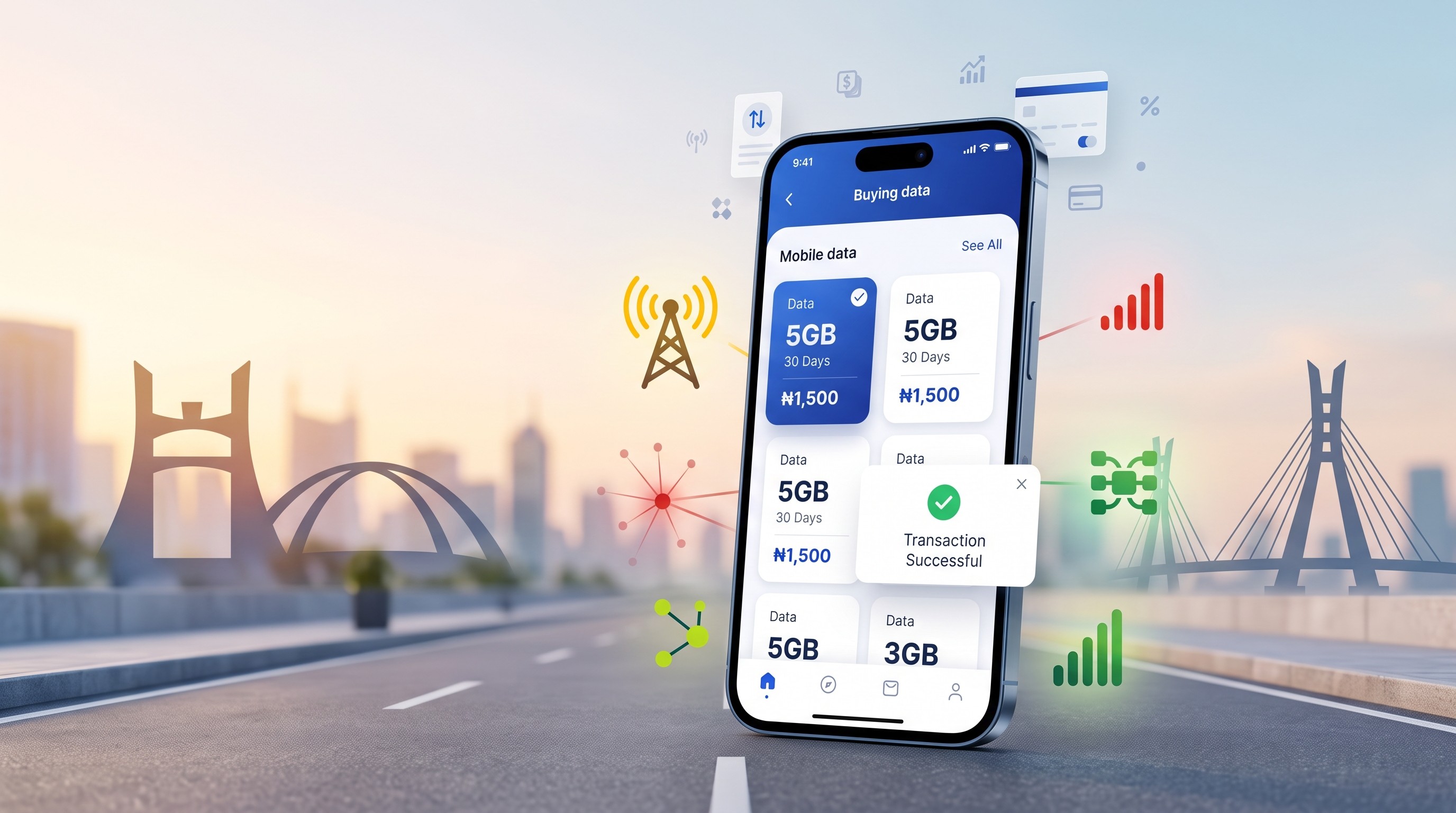
VTU platforms, short for Virtual Top-Up platforms, are built specifically to handle digital utility payments such as mobile data, airtime recharge, TV subscriptions, and electricity tokens. They are widely used by individuals, agents, and businesses because of their speed and affordability.
One of the biggest advantages of VTU platforms is pricing. Most VTU services offer discounted data bundles and airtime, making them cheaper than bank channels. This price difference becomes very noticeable for users who recharge frequently or operate resale businesses.
Another strong point of VTU platforms is instant delivery. Transactions are often completed within seconds, and many platforms provide transaction logs, receipts, and wallet systems that help users track payments easily. For agents and SMEs, this speed is critical.
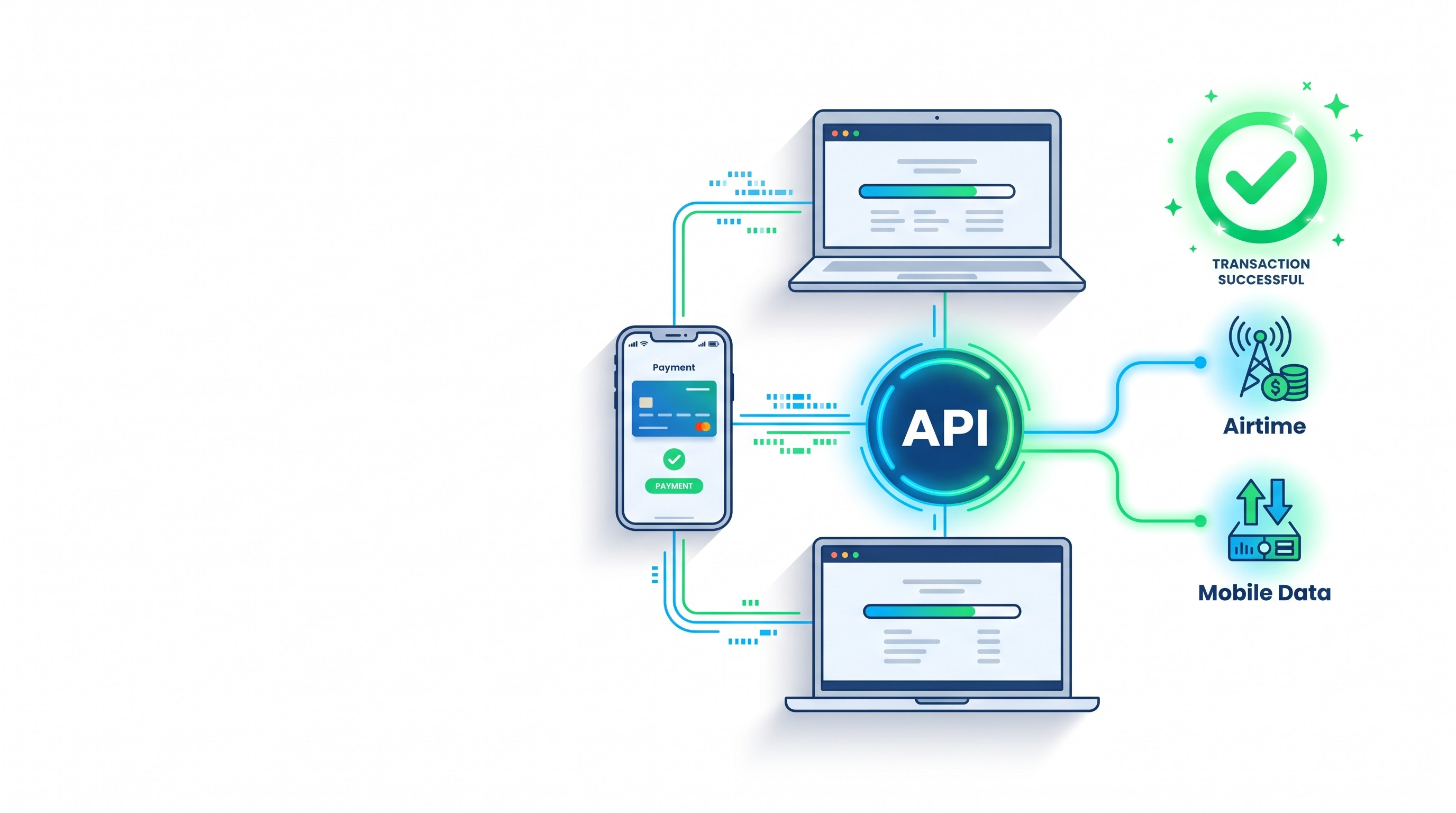
VTU platforms also support reselling and business operations. Many allow users to create agent accounts, integrate APIs into websites or mobile apps, and earn commissions. This makes VTU platforms ideal for entrepreneurs running portals or POS-related services.
However, VTU platforms are not without drawbacks. The quality of service depends heavily on the provider. Smaller or poorly managed VTU platforms may experience downtime, delayed transactions, or limited customer support, which is why choosing a trusted platform is essential.
Banks, on the other hand, provide utility payments through mobile banking apps, USSD codes, ATMs, and POS terminals. These services are backed by strict regulations, giving users a strong sense of security and reliability.
The main advantage of using banks is trust. Bank channels are stable, regulated by the Central Bank of Nigeria, and less likely to experience sudden service shutdowns. For many users, this peace of mind is more important than discounts.
Despite their reliability, banks usually do not offer discounted rates. Airtime, data, and electricity tokens purchased through banks often cost the standard price, and in some cases include service charges. This makes them less attractive for frequent users.
Banks are also not designed for resale or bulk transactions. They focus on personal convenience rather than business scalability, making them unsuitable for agents or users looking to earn from utility sales.
In practice, many Nigerians now use a hybrid approach VTU platforms for daily, high-volume, or business transactions, and banks for occasional or emergency payments when reliability is the top priority.
In conclusion, VTU platforms are better for affordability, speed, and business use, while banks are better for trust and simplicity. The best choice ultimately depends on how often you buy data, airtime, or electricity tokens, and whether you are purchasing for personal use or as a business.
E
Written by Ezra De Blogger
Inlomax Technologies Limited is a licensed telecom aggregator and digital payments infrastructure provider in Nigeria. Our insights are fact-checked against official telecom tariffs (MTN, Airtel, Glo, 9mobile) and Nigerian fintech standards.
Verified Contributor • Inlomax Editorial Team
Power Your VTU & Bill Payments with Inlomax
Get unbeatable reseller rates on MTN, Airtel, GLO & 9mobile data, electricity, and exam pins instantly.
Create Free Account