Common VTU API Errors and How to Fix Them
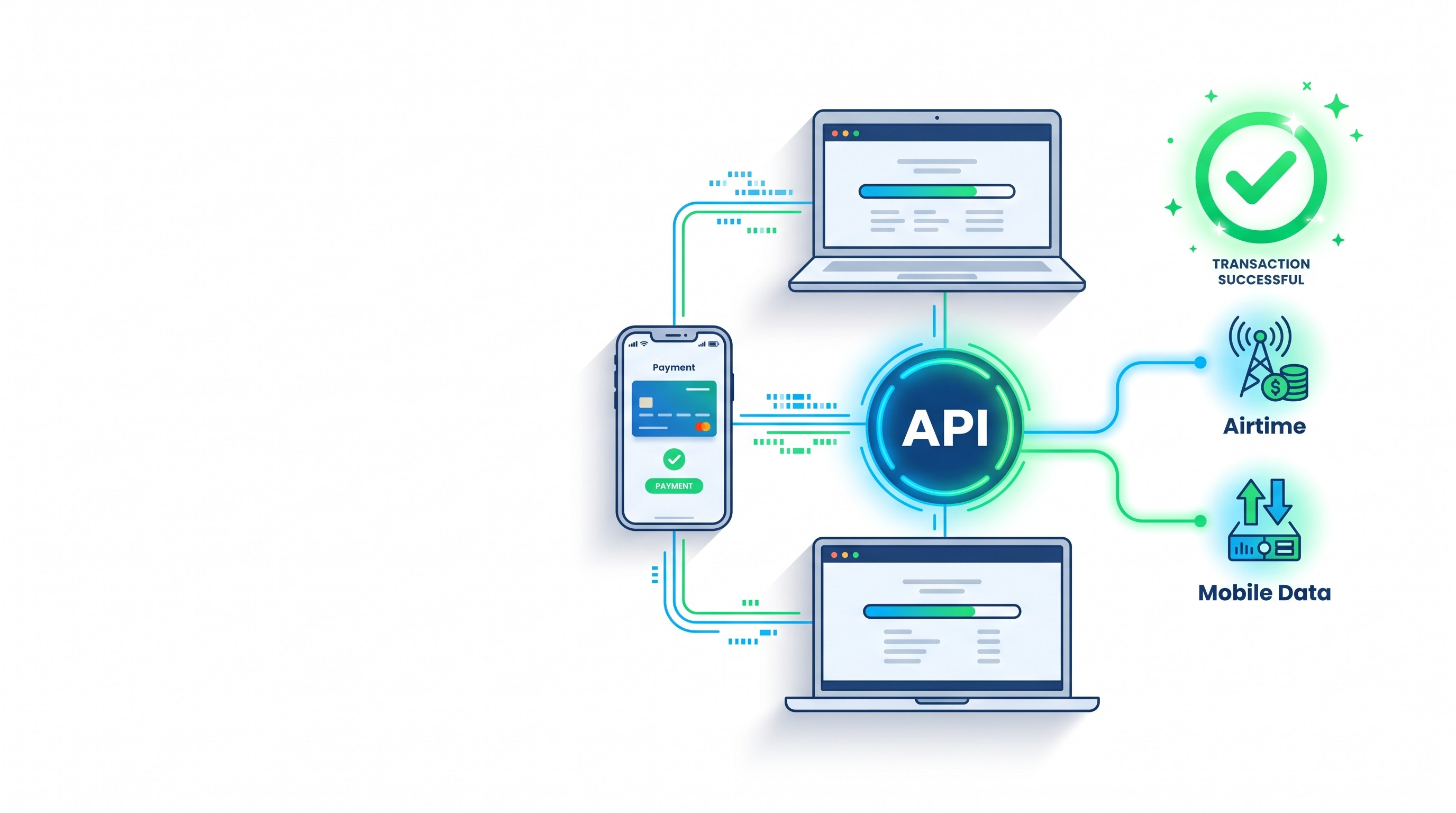
VTU APIs are essential for powering airtime, data, and bill payment services on VTU platforms. However, like all APIs, they are not immune to errors. Understanding common VTU API errors and how to resolve them helps developers maintain reliable and user-friendly platforms.
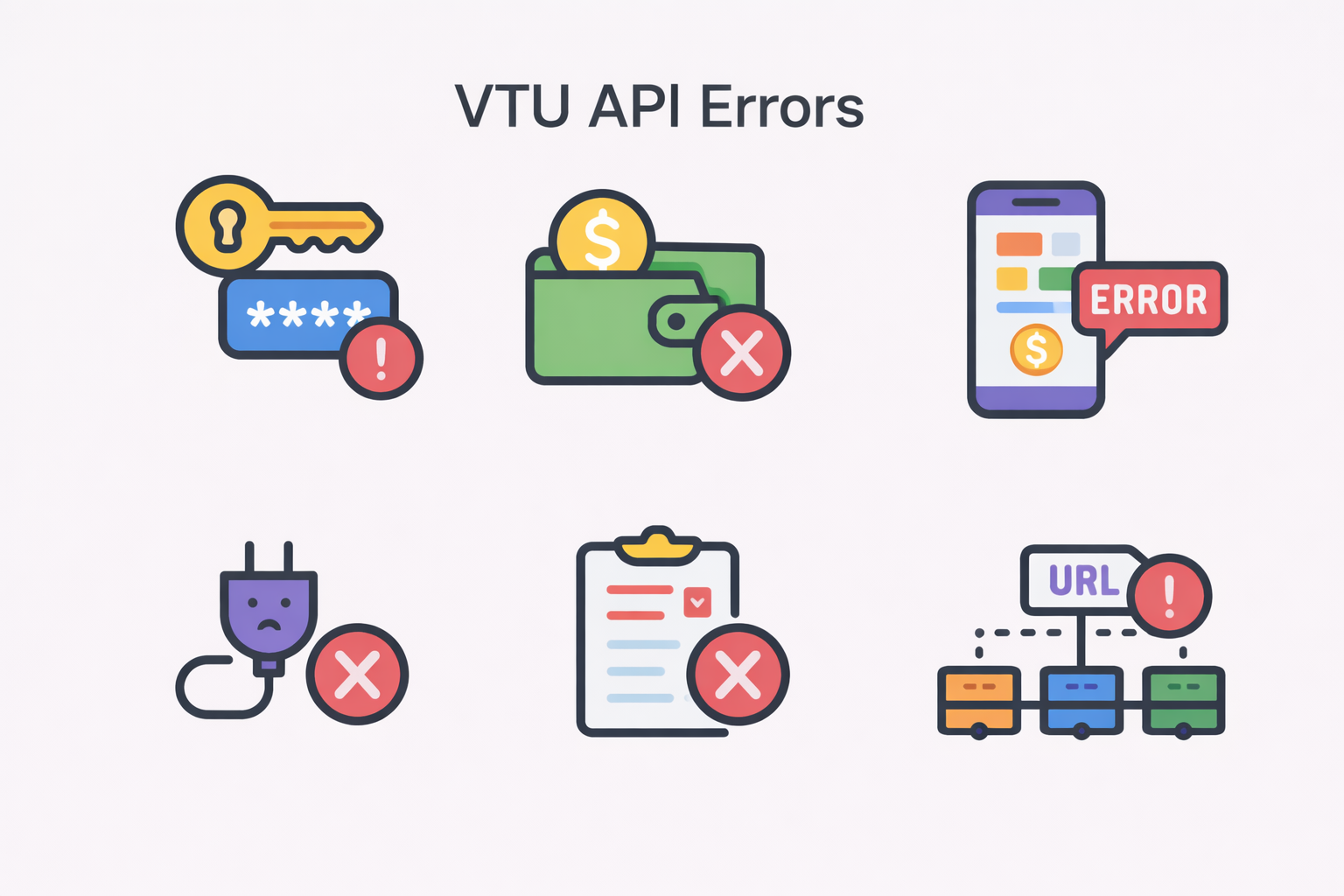
One of the most common VTU API errors is authentication failure. This usually happens when API keys are missing, expired, or incorrectly configured. To fix this, developers should verify their API credentials, ensure proper headers are sent, and rotate keys when required.
Another frequent issue is insufficient wallet balance. VTU APIs deduct funds from a wallet before processing transactions. If the wallet balance is low, the API will reject the request. Regular balance monitoring and automated alerts can prevent this problem.
Invalid parameters are also common errors. These occur when required fields such as phone number, network code, or amount are incorrect or missing. Developers should validate inputs on the frontend and backend before sending requests to the API.
Network-related errors can cause timeouts and delayed responses. Poor internet connectivity or temporary API downtime may interrupt transactions. Implementing request retries, timeout handling, and fallback APIs can help reduce the impact.
Another issue developers face is duplicate transaction requests. This happens when a request is resent due to network lag or system retries. Using unique transaction IDs and idempotency checks helps prevent double charges or duplicate recharges.
Provider downtime is an external error beyond the VTU platform’s control. When telecom providers experience issues, transactions may fail or remain pending. Proper error messages and delayed status checks help manage these situations.
Incorrect handling of pending transactions can lead to user complaints. Some VTU APIs take time to confirm delivery. Using webhooks or scheduled status checks ensures that pending transactions are updated accurately.
Security-related errors can occur if requests are blocked due to suspicious activity. IP restrictions, rate limits, or missing SSL configurations are common causes. Ensuring secure connections and proper server configuration fixes these issues.
Webhook failures are another common problem. If the callback URL is unreachable or returns errors, transaction updates may not be received. Developers should ensure webhook endpoints are always active and return valid responses.
Version mismatch errors happen when developers use outdated API endpoints. Regularly reviewing API documentation and updating integrations prevents compatibility issues.
Logging and monitoring are crucial for identifying VTU API errors quickly. Detailed logs help trace issues and improve response time during incidents.
In conclusion, most VTU API errors can be avoided with proper validation, monitoring, and error-handling strategies. By understanding common issues and applying best practices, developers can build stable and trustworthy VTU platforms.
E
Written by Ezra De Blogger
Inlomax Technologies Limited is a licensed telecom aggregator and digital payments infrastructure provider in Nigeria. Our insights are fact-checked against official telecom tariffs (MTN, Airtel, Glo, 9mobile) and Nigerian fintech standards.
Verified Contributor • Inlomax Editorial Team
Power Your VTU & Bill Payments with Inlomax
Get unbeatable reseller rates on MTN, Airtel, GLO & 9mobile data, electricity, and exam pins instantly.
Create Free Account